Unveiling Hidden Secrets: 7 Things You Never Knew About Tulips
Posted on 27/06/2025
Unveiling Hidden Secrets: 7 Things You Never Knew About Tulips
Tulips are among the world's most beloved flowers, gracing gardens, bouquets, and artworks with their vibrant hues and elegant forms. While many people admire their beauty, few are aware of the remarkable secrets and lesser-known facts about tulips that make these blossoming gems truly extraordinary. From ancient legends to scientific wonders, join us as we uncover the hidden stories and unveiled mysteries behind these iconic blooms. Whether you're a seasoned gardener or a curious flower enthusiast, prepare to be amazed by these 7 things you never knew about tulips.
1. Tulips Were Once Worth More Than Gold
When you think of valuable commodities, tulips might not immediately spring to mind. However, during the Tulip Mania of the 17th century in the Netherlands, certain tulip bulbs fetched prices that were literally worth more than gold.
- Tulip Mania (1634-1637): At the peak of this frenzy, rare tulip bulbs became a symbol of wealth and status. Some single bulbs, such as the famous Semper Augustus, were reportedly sold for the equivalent of a luxurious house in Amsterdam.
- Economic Impact: This speculative bubble is considered the first recorded financial bubble in history. It highlighted the power of speculative markets and how human emotion can drive prices to irrational highs.
- Cultural Legacy: Even today, the phrase "tulip mania" symbolizes irrational exuberance in financial markets.
So, the next time you see a field of tulip flowers, remember--they once sparked fortunes and devastated lives!
2. Tulips Did Not Originate in the Netherlands
People often associate tulips with Dutch culture, as the Netherlands is famous for its spectacular tulip fields and annual festivals. However, the truth is, tulips originated in Central Asia, not in Holland.
- Wild Origins: The original species of tulips grew wild in the foothills of the Tien Shan mountains, stretching through Kazakhstan, Afghanistan, and parts of China.
- The Ottoman Connection: Tulips were first cultivated by the Ottomans in what is now Turkey. The flower became a symbol of the Ottoman Empire during the Tulip Era, a time of peace and prosperity in the early 18th century.
- Journey to Europe: In the 16th century, tulips made their way to Europe through merchants and diplomats, eventually captivating Dutch horticulturists and transforming the landscape of the Netherlands.
Next time you admire a beautiful Dutch garden, you can appreciate the tulip's ancient journey from distant lands!
3. Tulip Colors Have Unique Symbolic Meanings
Tulips might seem like cheerful, simple blooms, but each tulip color carries a special significance. Understanding these meanings can add a new dimension to your appreciation or gifting of tulips.
- Red Tulips: Traditionally symbolize deep love and passion; often associated with true love.
- Yellow Tulips: Represent cheerfulness, friendship, and happiness. In Victorian times, they were a declaration of hopeless love.
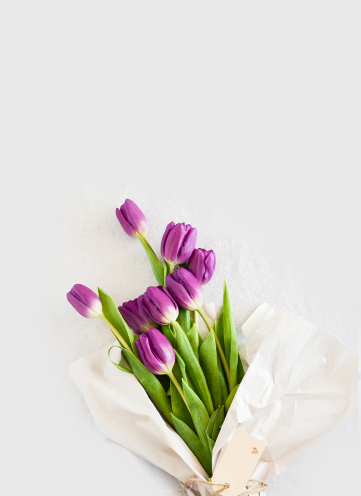
- Purple Tulips: Once signified royalty and luxury due to the rarity of purple flowers in nature.
- White Tulips: Convey forgiveness, purity, and new beginnings.
- Black Tulips: Rare and dramatic, they embody mystery and elegance. The quest to breed a true black tulip inspired literature and horticultural innovation.
By selecting the right hue, you can communicate a hidden message with your tulip bouquet--a secret language spoken through blossoms!
4. Some Tulip Varieties are Edible-- and Were a Famine Food
Would you ever add tulips to your salad? While not commonly known, some tulip petals and bulbs are edible! In fact, during extreme circumstances, they played a surprising role in human survival.
- World War II: During the Dutch Hunger Winter of 1944-45, with food supplies scarce, people in the Netherlands resorted to eating tulip bulbs to stave off starvation. Though not exactly palatable, tulip bulbs provided crucial sustenance for thousands.
- Modern Cuisine: While most commercial tulip bulbs are not grown for consumption, certain varieties' petals can be safely eaten in small quantities and are sometimes used in gourmet dishes for color and decoration.
- Warning: Not all tulips are safe to eat--many parts of the plant contain toxins that can cause stomach upset. Never consume tulip plants unless you are certain of the variety and that they have not been treated with chemicals.
The next time you see tulip flowers in a garden, you'll know these beautiful blossoms once saved lives in a time of dire need.
5. Tulips Have Fascinating Natural Behaviors
Beyond their stunning appearance, tulips possess some remarkable natural abilities that set them apart from other popular flowers.
- Solar Response: Tulips exhibit heliotropism, which means they can turn their blooms to follow the sun, maximizing exposure and encouraging optimal growth.
- Continuous Growth After Cutting: Unlike many other cut flowers, tulips continue to grow even after being cut. You may notice tulip stems elongate and curve dramatically in a vase, seeking light and continuing their quest for the sun.
- Nighttime Closure: Tulip petals close up at night or in low light, re-opening with the sunrise. This unique process, known as nyctinasty, helps protect reproductive parts from cold or moisture.
Their dynamic responses make tulips living marvels in your vase or garden--always changing, reaching, and adapting.
6. Tulip Festivals Are Held Around the World
Celebrating the tulip blossom is a tradition that has spread far and wide beyond the Netherlands. Each year, tulip festivals delight millions of visitors across multiple continents.
- Keukenhof (Netherlands): Known as the "Garden of Europe," this iconic park showcases over 7 million tulip blooms across 79 acres each spring.
- Canadian Tulip Festival (Ottawa): Originating as a gift from the Dutch Royal Family, the festival honors Canada's role in liberating the Netherlands during WWII. Over a million tulips bloom throughout the city each May.
- Skagit Valley Tulip Festival (USA): In Washington state, fields burst into color each April, attracting tourists and photographers from all over the world.
- Srinagar Tulip Festival (India): The Indira Gandhi Memorial Tulip Garden in Kashmir transforms into a kaleidoscope of color every spring.
All around the globe, these festivals not only showcase the unique beauty of tulips but also foster cultural connection and joy.
7. Tulips Have Inspired Art, Literature, and Science
Tulips are more than just decorative--they've played a starring role in shaping culture, inspiring creativity, and even furthering scientific breakthroughs.
- Art: From Dutch Golden Age paintings to contemporary photographs, tulips have been a muse for countless artists. Their delicate forms and vivid hues are frequently featured in masterpieces by artists like Jan Brueghel and Rachel Ruysch.
- Literature: Alexandre Dumas's novel The Black Tulip centers on the quest to cultivate a rare black tulip--a story filled with intrigue, mystery, and horticultural obsession.
- Genetics: The striking "broken" or striped colors seen on some tulips are caused by a viral infection known as tulip breaking virus. The study of these patterns helped lay the foundation for modern genetics and plant biology.
- Modern Science: Botanists continue to study the amazing adaptability of tulips, from their robust bulbs to their variable bloom cycles. Advances in tulip breeding have led to over 3,000 registered tulip varieties today!
Through art, storytelling, and science, tulips have earned their lasting place as icons of beauty and inspiration.
Conclusion: The Enduring Magic of Secret Tulip Facts
From their exotic origins and historic economic impact to their powerful symbolism and influence on culture, tulips are far more than meets the eye. Next time you spot a bed of colorful tulips in bloom, remember that you're witnessing a flower with layers of hidden history and meaning.
In the world of spring flowers, tulips stand out not just for their beauty, but for the rich tapestry of secrets woven through their petals. Their journey from distant mountains to center stage in global gardens is filled with mystery, drama, and ongoing fascination.
- They've made and lost fortunes
- Survived through wars
- Inspired artists, poets, and scientists
- And continue to bring joy around the world each spring
As you admire these stunning blooms, take a moment to ponder their remarkable stories and perhaps share a few hidden tulip secrets with friends and family. Tulips are living legends in your garden and heart!
Frequently Asked Questions About Tulips
- Q: What is the rarest tulip color?
A: The rarest color is true black. While several dark purple varieties exist, breeders are still trying to create a truly black tulip. - Q: Are tulips perennial flowers?
A: Yes, most tulip species are perennials, but some hybrids may not reliably return each year if left in the ground. - Q: When is the best time to plant tulip bulbs?
A: Plant tulip bulbs in the fall, several weeks before the ground freezes, for spectacular spring blooms.
Explore More Tulip Mysteries
If you're eager to learn even more about the world of tulips, consider visiting a local tulip festival, exploring rare varieties in specialty gardens, or trying your hand at growing these extraordinary blooms yourself. The hidden secrets of tulips await your discovery!