Create blooming joy: Care for your cut flowers
Posted on 29/05/2025
Create Blooming Joy: Care for Your Cut Flowers
Bringing home a gorgeous bouquet or gathering fresh blooms from your garden instantly brightens up any space. Cut flowers offer a daily dose of beauty and lift our spirits with their fragrance and color. But just like living plants, these lovely stems need thoughtful care for your cut flowers to stay fresh and vibrant for as long as possible. If you've ever felt disappointed by wilting, drooping, or prematurely faded blooms, this guide will show you how to create blooming joy through expert cut flower care.
Why Proper Cut Flower Care Matters
Cut flowers are, by definition, separated from their roots-their essential source of water and nutrients. This interruption means the clock is ticking as soon as you snip the stem. With the right techniques, you can extend the life of your cut flowers, ensuring they remain lush and colorful for days - sometimes even weeks.
Benefits of Proper Flower Care
- Maximizes Longevity: Keeps floral arrangements looking fresh.
- Enhances Appearance: Prevents drooping and discoloration.
- Preserves Fragrance: Maintains the bouquet's delightful scent.
- Boosts Mood: Healthy flowers have a positive effect on emotional well-being.
Best Practices for Cut Flower Care
There's more to caring for your cut flowers than dropping them in a vase of water. To enjoy their blooming beauty for longer, follow these science-backed and florist-approved steps:
1. Choose Fresh Flowers
Whether buying from a store or picking your own, always start with the freshest blooms. Look for perky, brightly colored petals, firm stems, and tight buds just beginning to open. Avoid flowers with wilting edges, brown spots, or drooping leaves. Freshness at the start is the first secret to long-lasting cut flowers.
2. Prepare Your Vase
A clean vase is essential to prevent bacterial growth, which can rapidly spoil your arrangement. Wash your vase thoroughly with hot, soapy water, rinse well, and dry it before use. Some recommend a mild bleach rinse for extra antibacterial assurance (1 part bleach to 10 parts water).
3. Trim Stems Correctly
- Use Sharp Scissors or a Knife: Dull tools can crush the stems, preventing water absorption.
- Cut at an Angle: Cutting stems at a 45-degree angle increases surface area, helping flowers drink more water.
- Re-cut Underwater: To avoid air bubbles (embolisms) blocking water uptake, cut stems underwater if possible.
- Trim Regularly: Every 2-3 days, re-trim stems to keep water pathways open.
4. Remove Excess Leaves
Leaves sitting in the vase water decay quickly, fostering bacteria that can harm your flowers. Remove all foliage that will sit below the waterline before arranging stems in the vase.
5. Use the Right Water Temperature
- Room Temperature Water: Most cut flowers thrive in water that's neither hot nor cold.
- Warm Water for Woody Stems: Roses and other woody-stemmed flowers absorb warm water more easily, so fill your vase accordingly.
6. Feed Your Flowers
Florist bouquets often come with a flower food sachet. Use it! Flower food usually contains sugar for nutrition, citric acid to lower water pH, and an antibacterial agent. To make your own, mix:
- 1 quart lukewarm water
- 2 tablespoons lemon or lime juice
- 1 tablespoon sugar
- 1/2 teaspoon bleach
Change the water and replenish flower food every 2 days for the best results.
7. Change Water Frequently
Clean water is the key to extending the life of your bouquet. Change the water every 2 days, or whenever it appears cloudy. Rinse the vase each time to keep bacteria at bay.
8. Position Your Arrangement Wisely
- Avoid Direct Sunlight: Bright light can overheat and wilt flowers.
- Stay Clear of Heat Sources: Keep bouquets away from radiators, TVs, or other electronics.
- No Chilling Drafts: Cold drafts can stress flowers and lead to premature wilting.
- Avoid Ripening Fruit: Bananas, apples, and other fruit produce ethylene gas, which speeds up the aging of blooms.
9. Remove Spent Blooms
Deadhead faded or wilting blooms promptly. This practice prevents the release of ethylene gas and keeps the rest of the arrangement fresher, longer.
Special Care for Popular Cut Flowers
Not all flowers have the same needs. Here's how to take extra-special care of some popular cut flower varieties:
Roses
- Remove outer "guard petals" for more vibrant blooms.
- Re-cut stems underwater, ideally daily.
- Compose roses in a tall vase to support heavy heads.
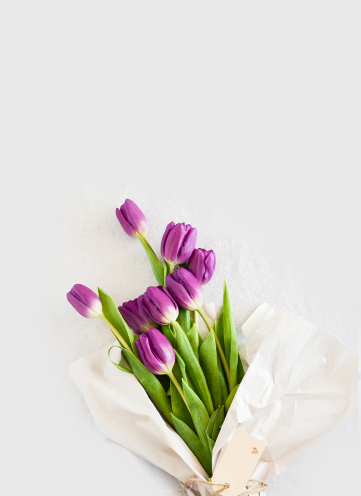
Tulips
- Tulips continue to grow even after being cut, often curving towards light.
- Support with other sturdy stems, or choose a narrow vase.
- Change water daily for best results.
Lilies
- Carefully snip off pollen-coated stamens to avoid staining petals (and your furniture!)
- Remove lower leaves to prevent rot in the vase.
Daffodils and Narcissus
- These release a sap toxic to other flowers. Condition them separately for 12 hours before mixing with other stems.
- No need for flower food in their vase.
Hydrangeas
- Mature hydrangeas benefit from "boiling water treatment"--dipping stem ends in boiling water for 30 seconds to reduce wilting.
- Misting heads with water keeps them lush.
Reviving Wilting Flowers
It's possible to breathe new life into sagging blooms. If your flowers are drooping, try these emergency rescue tips:
- Re-cut stems under water to reopen clogged tissue.
- Soak flowers (especially roses and hydrangeas) in cool water for 30 minutes.
- Boil stem ends for very woody stems.
- Use flower food and clean water immediately after.
Creative Ways to Enjoy Your Cut Flowers Longer
- Arrange in Multiple Vases: Spacious displays allow better air circulation, slowing decay.
- Try Floral Foam: For complex arrangements, floral foam ("oasis") can keep flowers hydrated.
- Repurpose Petals: Once fully open, use petals for potpourri or floating displays.
- Dry Your Favorites: Air-dry sturdy varieties like lavender or statice for everlasting bouquets.
Bonus Tips from Florists
- Add a drop of vodka or mouthwash: Both have antibacterial properties that keep water clean.
- Use copper coins or aspirin: Old remedies that can mildly acidify water, slowing bacterial growth.
- Always check water level: Flowers can drink several inches of water in a day, so keep vases topped up.
Sustainable Cut Flower Care
Sustainability matters, even when it comes to caring for your cut flowers. Here's how to enjoy blooming joy responsibly:
- Choose local and seasonal flowers: They're fresher and have a smaller carbon footprint.
- Reuse vases and containers: Get creative with jars, pitchers, and teacups for eco-friendly arrangements.
- Compost spent flowers rather than sending them to landfill.
- Grow your own cutting garden: Even a small plot yields armfuls of blooms all season long!
Frequently Asked Questions About Cut Flower Care
Should I remove all the leaves from my flower stems?
Remove leaves that will sit below the waterline to prevent decay and bacteria. Some foliage above water can remain for a fuller look.
What is the best way to trim flower stems?
Use sharp scissors or a knife to cut stems at a 45-degree angle, ideally underwater or under running water, to prevent air bubbles.
How often should I change my vase water?
Every 1-2 days, or whenever the water appears cloudy or discolored.
Can I use anything other than commercial flower food?
Yes! Homemade flower food (sugar, lemon juice, bleach) or a drop of mouthwash are options. Clean water is most important.
Why do my cut flowers wilt so quickly?
Common causes include bacterial growth in dirty water or vases, air-locked stems, direct sunlight, and lack of hydration. Refer to the tips above for solutions!
Conclusion: Celebrate Every Bloom!
Cut flowers are more than just decorations; they're a source of blooming joy and a way to connect with nature. With simple, science-backed steps, you can care for your cut flowers so they thrive indoors. From choosing fresh blooms to trimming stems and refreshing water, good habits guarantee that your bouquets stay radiant and fragrant.
Every time you walk past a vibrant vase, you'll appreciate the extra attention you've given to extending the life of your flowers. Happy arranging-and may the beauty of your cut flowers bring endless joy!
Ready to Create Blooming Joy?
- Try these cut flower care tips with your next bouquet.
- Share your arrangements online and inspire others to nurture their blooms!
- Grow your own flowers for a sustainable, fresh supply of joy and color.
Remember: A little care goes a long way-keep your flowers happy, and they'll return the favor with their brilliant beauty.